Jiaozuo Zhongxin Heavy Industrial Machinery Co.,Ltd.
 WhatsApp
 WeChat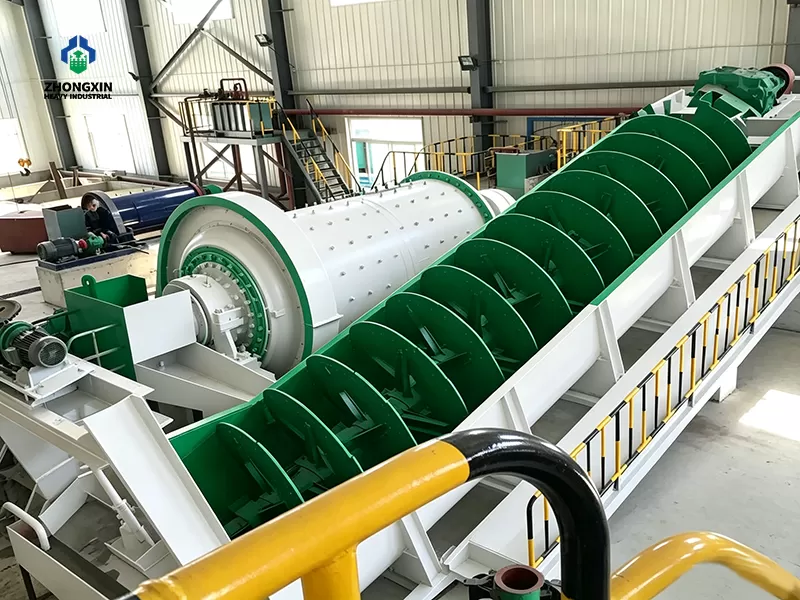
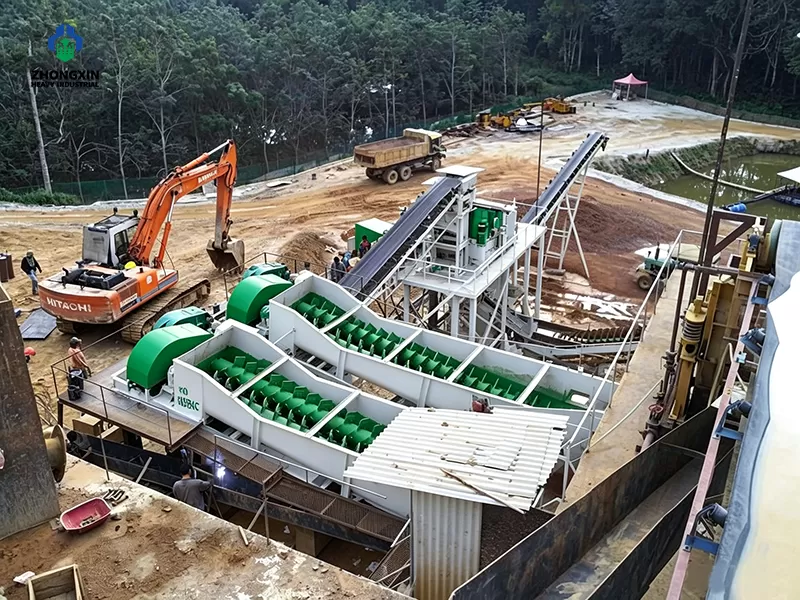
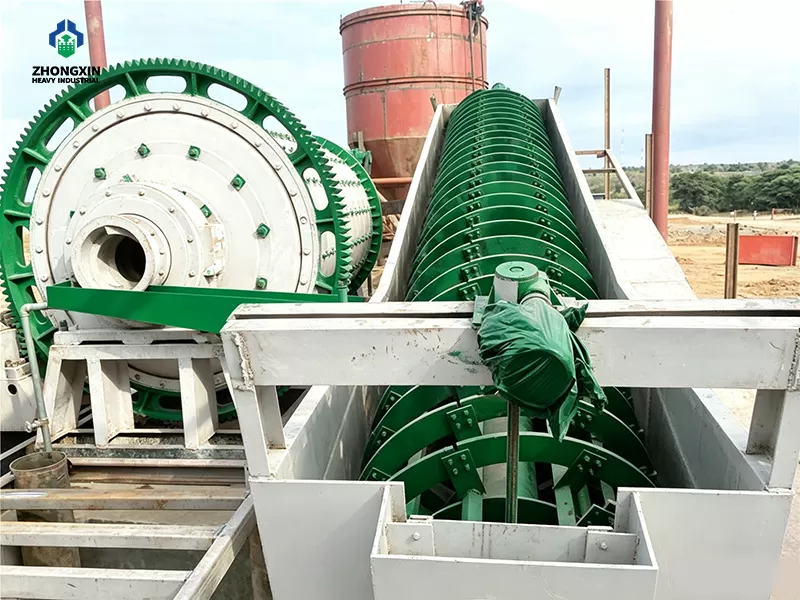
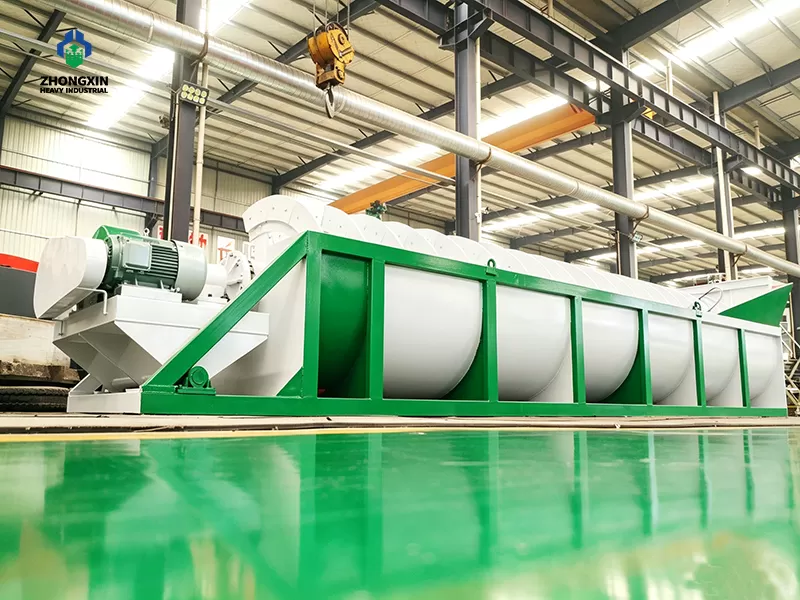
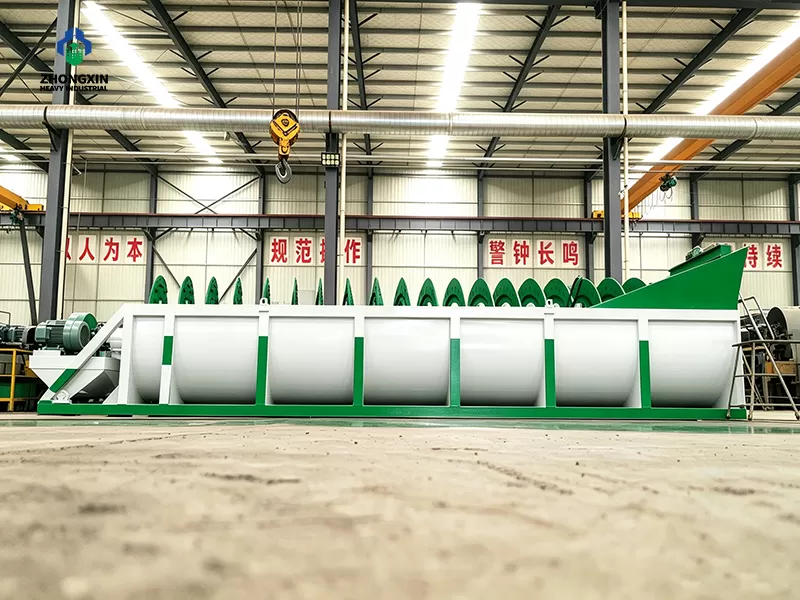
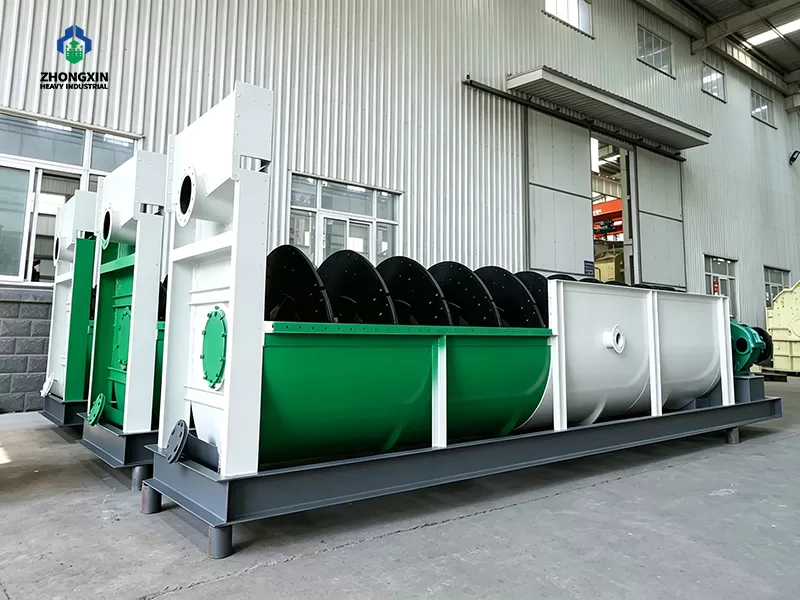
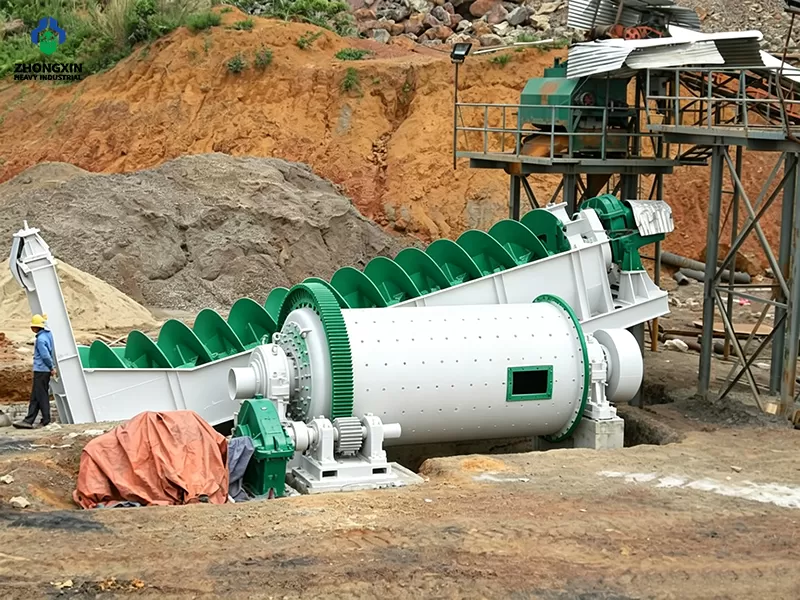
We offer a complete range of heavy-duty industrial spiral classifiers designed to handle diverse material screening requirements:
1.High Weir Spiral Classifier: Best suited for coarse particle classification, typically yielding an overflow size of 0.4mm to 0.15mm.
2.Submerged Spiral Classifier: Designed for fine particle size separation, with an overflow size generally below 0.2mm.
3.Single and Double Spiral Classifiers: Available in single or twin screw configurations to match your specific processing capacity (dewatering screw classifier options available for sand washing).
4.Extremely low maintenance costs: Compared to hydrocyclones, spiral classifiers reduce maintenance costs by approximately 35%, have a simpler structure, and are more suitable for remote mining areas.
5.Superior recovery rates: Materials are accurately classified, with an overall recovery rate of up to 90%, significantly increasing the output of the entire production line.
6.Highly adaptable: Maintains stable output regardless of fluctuations in feed rate or concentration, making it the preferred choice for closed-circuit grinding systems.
Technical Highlights
1.High Classifying Efficiency: Optimized spiral blade pitch and angle design maximize the gravity sedimentation and lifting efficiency.
2.Excellent Wear Resistance: The spiral flights are lined with high-manganese steel, wear-resistant alloy, or rubber plates to extend service life under abrasive mining conditions.
3.Heavy-Duty Construction: Rigid tank structure and a powerful self-contained lifting device ensure smooth, continuous operation under heavy loads.
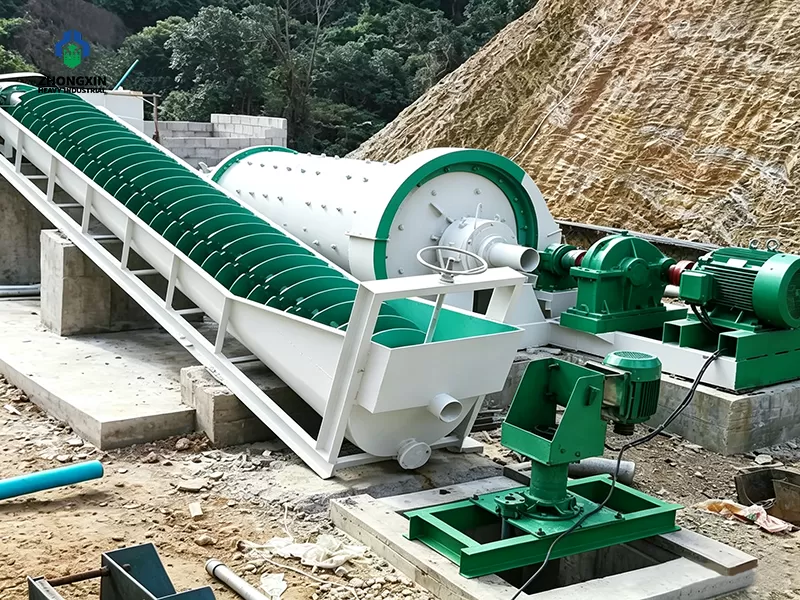
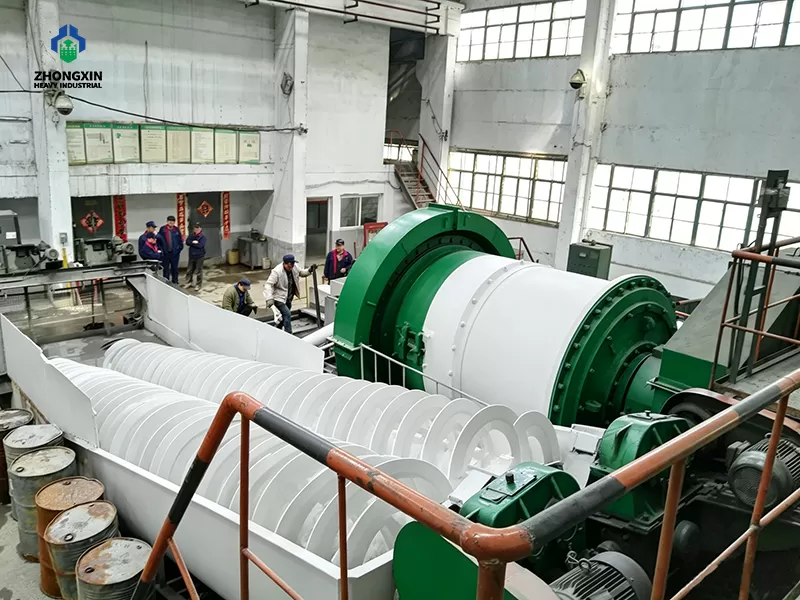
The spiral classifier working principle is based on the difference in settling velocity of solid particles in a liquid medium due to their varying sizes and specific gravities.
1.Slurry Feeding: The mixed ore pulp (slurry) is fed into the settlement pool located in the middle of the inclined tank.
2.Gravity Sedimentation: Under the influence of gravity, larger and heavier particles sink to the bottom of the tank quickly, forming "coarse sand" (underflow). Lighter and finer particles remain suspended in the upper layer of the water, forming "fine particles" (overflow).
3.Spiral Lifting & Dewatering: The continuously rotating spiral blades scrape the settled coarse particles from the bottom and convey them upward along the inclined tank. During this upward transport, water drains back into the pool, acting as a dewatering screw classifier. The dry, coarse particles are finally discharged from the upper sand outlet and typically returned to the ball mill for re-grinding.
4.Weir Overflow: The suspended fine particles flow out from the lower end of the tank over the overflow weir and proceed to the next stage of processing, such as flotation or gravity concentration.
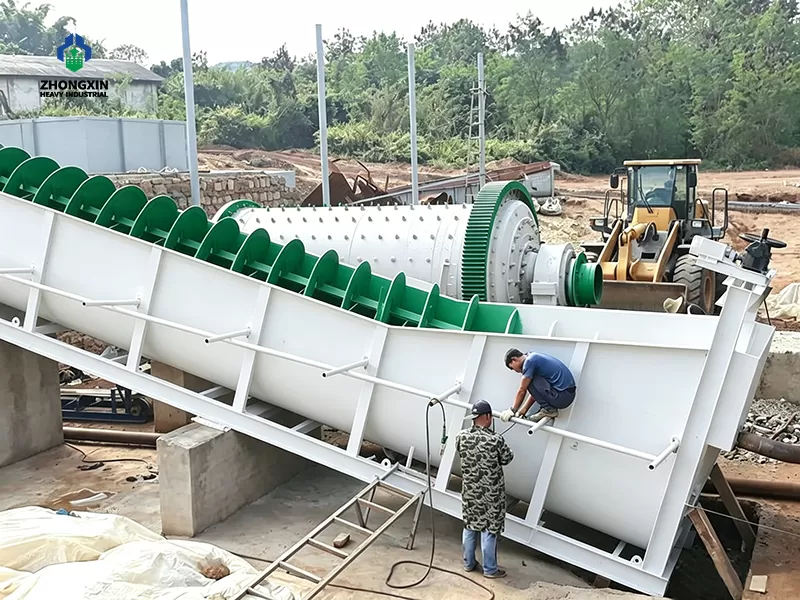
*La capacidad de producción variará en función de los distintos materiales, tamaño de alimentación y otros factores.
Contáctenos rellenando el formulario o por Email: sales@zxcrusher.com

To maintain peak classification efficiency and eliminate costly downtime in your mineral processing plant, utilizing high-quality spiral classifier spare parts is non-negotiable. As an experienced mining equipment manufacturer, we supply a complete inventory of genuine replacement components tailored for all sizes of single and double spiral classifiers (including high-weir and submerged types).

Different minerals—whether you are processing gold quartz ore, copper sulfides, iron ore, or industrial silica sand—require unique classification parameters. We offer custom-tailored spiral classifier design services to match your specific metallurgy goals.

Investing in our mineral spiral classifier means securing a long-term technical partner. We offer end-to-end support to ensure your grinding and classification circuits run at maximum efficiency.
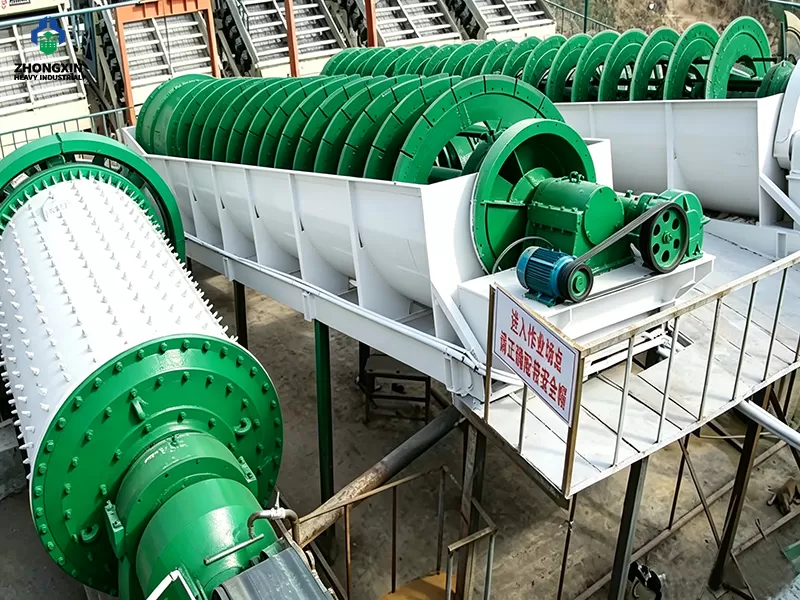
We provide comprehensive support throughout the entire lifecycle of your equipment. Our service approach ensures long-term reliability and optimized performance for every project.
 Русский